
If you’ve spent any time researching treks in Nepal, you’ve probably noticed the same complaint popping up in forums and travel groups: Everest Base Camp and the Annapurna Circuit are getting busy. Teahouses book out weeks in advance, trails feel more like queues during peak season, and that sense of solitude people chase in the mountains is harder to find than it used to be. That’s exactly why more trekkers are turning their attention toward the Manaslu Circuit Trek.
The Manaslu Circuit Trek isn’t a secret anymore, but it hasn’t lost its soul either. You still walk past working farms instead of souvenir stalls. You still share a fire with a family in a stone farmhouse instead of ordering pizza off a laminated menu. There’s a rawness to this route that Everest and Annapurna simply can’t offer anymore, mostly because Manaslu was closed to outside trekkers until the mid-1990s and remains a restricted area even today.
Having spent time on this trail and talked with guides who grew up in these villages, what stands out isn’t just the scenery — it’s how ordinary daily life continues right alongside the trekking route. Yaks still get herded down the same paths trekkers use. Prayer wheels get spun by grandmothers on their morning walk, not for photos, but because that’s just what they do. Before you commit to this trek, it helps to understand the trail conditions, the permit system, and the physical demands, because Manaslu doesn’t forgive poor planning the way more commercial routes sometimes do. This guide walks through all of it.
What Makes the Manaslu Circuit Trek Special?
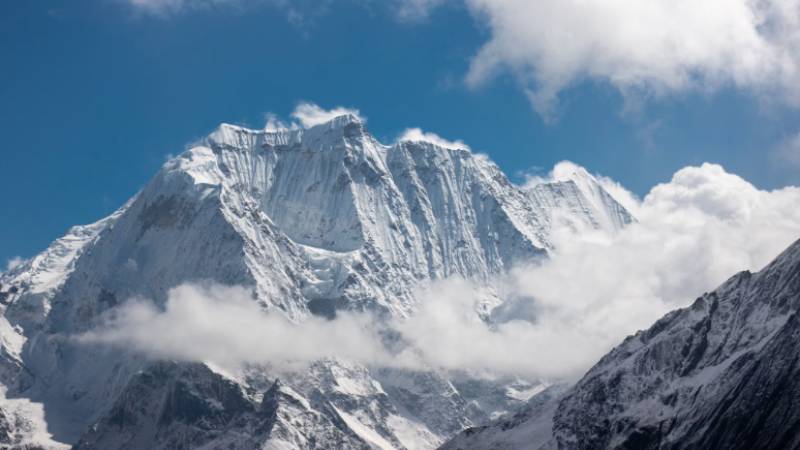
At its core, the Manaslu Circuit Trek circles Mount Manaslu, the eighth-highest mountain on Earth at 8,163 meters, tucked away in west-central Nepal. The trail starts low, weaving through subtropical forest and terraced farmland, then climbs steadily until you’re standing among glaciers and wind-scoured ridgelines with almost nothing but rock and sky around you.
This gradual shift is part of what makes the trek so rewarding. You’re not dropped into high altitude on day one — you earn it, village by village, river crossing by river crossing. That’s also why the trek tends to attract more experienced trekkers, or at least those who want something a bit rougher around the edges than a well-paved tourist trail. There’s a real balance here between physical challenge, cultural immersion, and pure Himalayan scenery, and honestly, that mix is hard to find anywhere else in Nepal.
A Trek Through Nepal’s Hidden Himalayan World
Because the Manaslu region stayed off-limits for so long, it never developed the tourism infrastructure that transformed places like Namche Bazaar or Ghorepani. What you get instead are villages that grew around farming and trade, not trekking dollars. Stone houses stacked against hillsides, Buddhist monasteries with faded murals, prayer flags snapping in the wind above narrow footbridges — this is what daily life around Manaslu actually looks like, and it hasn’t been staged for visitors.
There’s a real difference between visiting a place and experiencing it, and Manaslu leans hard toward the latter. You’re not just passing through for a photo. You’re eating what the family eats, sleeping where they sleep guests, and often picking up a few words of the local dialect along the way.
Manaslu Circuit Trek Highlights: What You Experience Along the Trail
Walking Around Mount Manaslu
There’s something different about trekking around a peak versus trekking toward one. As you circle Manaslu, the mountain keeps shifting shape depending on your angle, sometimes hiding behind ridgelines, sometimes dominating the entire skyline. Along the way you’ll also catch views of Himalchuli, Ngadi Chuli, and Ganesh Himal. Sunrise from the higher villages, when the peaks turn a soft gold before the valley even wakes up, is the kind of moment that sticks with people long after the trek ends.
Crossing Larkya La Pass (5,106m)
This is the moment everyone talks about afterward. Larkya La Pass is both the toughest day of the trek and its emotional high point. The landscape leading up to it turns stark and alpine, and the descent afterward drops you into a completely different world near Bimthang. It demands an early start, often before sunrise, because winds pick up later in the day and the cold at that altitude is no joke. Preparation matters here — proper layering, enough calories, and a body that’s already acclimatized.
Exploring Authentic Mountain Villages
Samagaun feels almost frozen in time, with yak herds grazing near chortens and views of Manaslu looming directly overhead. Samdo, close to the Tibetan border, carries a stronger Tibetan cultural influence in its architecture, food, and religious practices. Further along, Dharapani marks the trek’s gradual return to greener, gentler terrain. In each of these places, it’s not the buildings that stay with you — it’s the people. A tea offered without being asked. A kid practicing English phrases on you. That’s the Manaslu Circuit Trek in a nutshell.
Manaslu Circuit Trek Route Overview: From Green Hills to High Himalayas
Lower Region: Rivers, Forests, and Traditional Villages
The trek typically begins near Machha Khola and pushes through to Jagat over the first few days. Expect suspension bridges swaying over glacial rivers, waterfalls tumbling down beside the trail, and dense forest giving way every so often to farming villages growing millet and corn. This section isn’t just scenic filler — it’s your body’s gradual introduction to daily trekking, building the stamina you’ll need higher up.
Higher Region: Tibetan Landscapes and Mountain Wilderness
Everything changes past Namrung. The forest thins out, the air gets drier, and by the time you reach Samagaun and Samdo, you’re walking through a landscape that feels closer to the Tibetan plateau than to lowland Nepal. Glaciers hang off nearby ridges, the trail turns rocky and exposed, and the villages themselves start reflecting that Tibetan Buddhist influence more strongly. It’s a genuinely different world from where you started, and that contrast is part of what makes this trek so memorable.
Best Time for Manaslu Circuit Trek: Choosing the Right Season
Autumn Season (September to November)
Most guides, myself included, point trekkers toward autumn first. The skies clear up after monsoon, visibility is excellent, and temperatures sit in a manageable range even at altitude. Unsurprisingly, this is when the trail sees the most foot traffic — though “busy” on Manaslu still means far fewer people than you’d find on Everest or Annapurna during the same window.
Spring Season (March to May)
Spring brings rhododendron forests bursting into bloom across the lower elevations, along with milder daytime temperatures. Mountain views can be excellent, though afternoon haze sometimes creeps in and can soften visibility compared to autumn’s crisp air.
Winter and Monsoon Considerations
Winter turns Larkya La Pass genuinely risky, with heavy snowfall sometimes closing the route altogether. Monsoon season isn’t much kinder — the lower trails become slick, leech-ridden, and prone to landslides, and cloud cover blocks most of the mountain views you’re trekking for in the first place. Neither season is impossible, but both require more caution and flexibility.
Manaslu Circuit Trek Difficulty: Is This Trek Suitable for You?
Physical Requirements
Expect five to seven hours of walking most days, with some longer stretches around the pass crossing. The elevation gain adds up steadily rather than all at once. Previous trekking experience definitely helps, but plenty of reasonably fit beginners complete this trek successfully with the right preparation and a sensible pace.
Altitude Challenges
Above 3,000 meters, altitude sickness becomes a real consideration, not just a theoretical one. Gradual acclimatization, drinking more water than feels necessary, and building in rest days at places like Samagaun all reduce the risk significantly. Ignoring symptoms because you don’t want to “fall behind” is one of the most common mistakes trekkers make.
Larkya La Pass Challenge
The pass itself is a long, cold day — often eight to nine hours of walking with an early morning start to beat the wind. Layering matters more here than almost anywhere else on the trek. From experience, the trekkers who struggle most are the ones who underestimate how much colder and more exposed the pass feels compared to the villages below.
Manaslu Circuit Trek Itinerary: How Many Days Do You Need?
Most trekkers complete the Manaslu Circuit Trek in roughly 12 to 18 days, depending on their route, pace, and how much acclimatization time they build in.
A typical route flows through Kathmandu preparation and permits, a drive to the trailhead, then walking stages through Machha Khola, Jagat, Deng, and Namrung; an acclimatization stop in Samagaun; onward to Samdo; the Larkya La Pass crossing; descent into Bimthang; arrival in Dharapani; and the return journey back to Kathmandu.
Rushing this itinerary rarely pays off. Extra acclimatization days aren’t wasted time — they’re what keep the pass crossing safe and enjoyable rather than miserable.
Permits Required for Manaslu Circuit Trek
Manaslu sits inside a restricted trekking area, so you can’t just show up and start walking. You’ll need the Manaslu Restricted Area Permit, the Manaslu Conservation Area Permit (MCAP), and the Annapurna Conservation Area Permit (ACAP), since the route eventually crosses into that region as well. These rules exist to protect a fragile environment and manage how many people move through it at once, so trekkers are expected to travel with proper arrangements and follow local regulations throughout.
Manaslu Circuit Trek Cost: What Budget Should You Expect?
Total cost depends on permits, guide and porter services, transportation to and from the trailhead, teahouse accommodation, food, personal spending, and gear. Cutting corners on guides or porters might save money upfront, but it often reduces both safety and the quality of your experience. It’s worth thinking about this trek in terms of value and responsible trekking rather than chasing the cheapest possible price tag.
Accommodation and Food During Manaslu Circuit Trek
Mountain Teahouses
Rooms are simple — usually twin beds, a shared bathroom, and not much else. As you climb higher, expect things to get more basic and colder, though the hospitality rarely dips.
Food on the Trail
Dal bhat remains the trekker’s staple for good reason: unlimited refills and solid energy for long days. You’ll also find noodles, soups, and Tibetan dishes like momos or thukpa at most stops. Eating enough, even when appetite drops at altitude, matters more than most people expect.
Packing List for Manaslu Circuit Trek: Essential Things to Carry
You’ll move through several climate zones on this trek, so smart layering beats overpacking. Solid trekking boots, warm base and mid-layers, a good down jacket, a sleeping bag rated for cold nights, a waterproof shell, trekking poles, sun protection, and any personal medication all belong in your bag. Skip the extra “just in case” items — a lighter pack makes a noticeable difference over long walking days.
Manaslu Circuit Trek Compared With Other Nepal Treks
Manaslu Circuit Trek vs Annapurna Circuit Trek
Annapurna has more developed infrastructure, more trekkers, and easier logistics overall. Manaslu trades that convenience for a quieter trail and a stronger sense of remoteness.
Manaslu Circuit Trek vs Everest Base Camp Trek
Everest Base Camp centers around one iconic goal and views of the world’s highest peak. Manaslu spreads its rewards out more evenly across the journey, with deeper cultural immersion and noticeably fewer people on the trail.
Responsible Trekking in the Manaslu Region
This is a fragile environment, and it’s easy to forget that when you’re focused on the next viewpoint. Respecting local customs, cutting down on plastic waste, supporting teahouses and guides from the local community, following permit regulations, and being mindful around monasteries and religious sites all go a long way toward keeping this region intact for the next generation of trekkers.
Why Manaslu Circuit Trek Should Be on Your Nepal Adventure List
The Manaslu Circuit Trek isn’t really about reaching a finish line. It’s about the days spent walking through villages where mountain life hasn’t been repackaged for tourism, where tradition and nature still move at the same pace they always have. Between the mountain views, the cultural depth, and the physical challenge of Larkya La Pass, this trek offers something increasingly rare in Nepal — a Himalayan journey that still feels genuinely untouched.
Frequently Asked Questions About Manaslu Circuit Trek
- How difficult is the Manaslu Circuit Trek? It’s a genuinely challenging trek due to altitude, long walking days, and the Larkya La Pass crossing, but with proper preparation and pacing, it’s achievable for reasonably fit trekkers.
- What is the best month for Manaslu Circuit Trek? Autumn (September to November) and spring (March to May) offer the most favorable weather and clearest mountain views.
- How many days does the Manaslu Circuit Trek take? Most itineraries run between 12 and 18 days, depending on your route, acclimatization schedule, and travel style.
- Do I need a guide for Manaslu Circuit Trek? Yes. Since Manaslu is a restricted area, trekkers are required to travel with a licensed guide and hold the correct permits.
- Is Manaslu Circuit Trek harder than Everest Base Camp Trek? Many trekkers find Manaslu more demanding overall, mainly because of its remote trails, fewer facilities, and the technical nature of the Larkya La Pass crossing.