
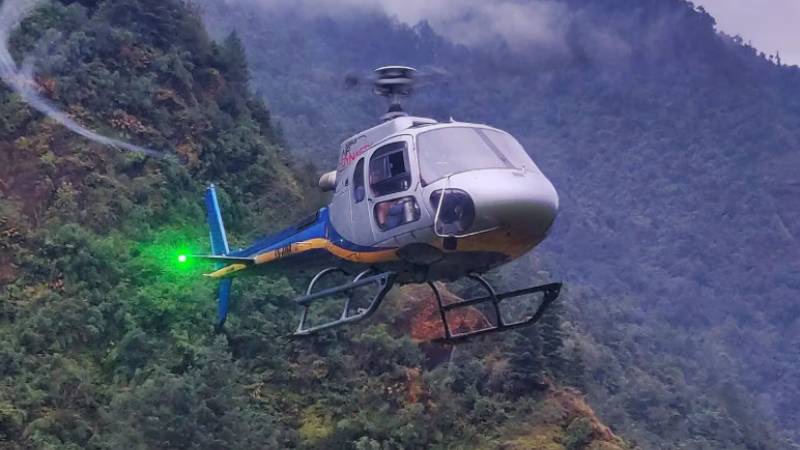
There’s a particular moment every Everest trekker dreams about — standing at Base Camp, staring up at the Khumbu Icefall, and feeling like you’ve actually earned it. But here’s the thing nobody tells you before you book a flight to Kathmandu: the walk back down can feel almost as long as the walk up, and by day ten your knees are usually done arguing with you. That’s exactly why the Everest base camp trek with helicopter return has become such a popular choice over the last few years. It gives you the full, authentic trekking experience up to Base Camp and Kala Patthar, then swaps the multi-day return hike for a scenic helicopter flight straight back to Lukla or Kathmandu. Escape Himalaya is one of the trekking companies that runs this itinerary regularly, and in this article we’ll walk through what the trek actually involves, who it suits, when to go, and whether it’s genuinely worth the extra cost.
What Is the Everest Base Camp Trek with Helicopter Return?
At its core, this itinerary is exactly what it sounds like — you do the classic trek in, and you fly out. You still fly into Lukla and start walking the same trail every EBC trekker has walked for decades, through Phakding, Namche Bazaar, and up through the Khumbu Valley. You still spend days acclimatizing, still get that first proper look at Everest from Namche, and still push through to Gorak Shep before making the final walk to Base Camp itself. Most itineraries also include a sunrise hike up Kala Patthar, which honestly gives better Everest views than Base Camp does. The difference kicks in once you’ve ticked those two boxes off — instead of retracing your steps for another four or five days, a helicopter picks you up (usually from Gorak Shep or Pheriche) and flies you back over the very valley you just spent a week and a half walking through. It’s become one of Nepal’s most sought-after premium trekking options, particularly among people who want the real deal without doubling their time commitment.
Why More Trekkers Are Choosing the Helicopter Return Option
The appeal here isn’t really complicated. Trekking to Base Camp and back on foot typically eats up 12 to 14 days. Cut the return walk out, and you’re looking at something closer to 8 or 9 days total — which matters a lot if you’re working with limited annual leave. Then there’s the physical side of things. Walking uphill for a week is tough, sure, but walking downhill for days afterward is where knees and ankles really start to complain, especially on the rocky, uneven sections below Namche. Skipping that saves your body a beating.
There’s also a experience angle that people don’t always expect going in. You get the slow, immersive version of the Himalayas on the way up — the yak trains, the prayer flags, the tea houses — and then you get a completely different, almost surreal perspective from the air on the way out, watching the same peaks and valleys shrink beneath you. Photographers in particular love this contrast. And because the itinerary is shorter and gentler on the body, it opens the trek up to families, older trekkers, and people who might have hesitated at a full 14-day walking itinerary.
The Unique Experience You Get on This Trek
None of the trek gets shortchanged here, which is really the whole point. You still pass through the Sherpa villages that give the Khumbu its character, still cross those wobbly suspension bridges strung with prayer flags over the Dudh Koshi river, and still spend a couple of nights in Namche Bazaar, the unofficial capital of the region, adjusting to altitude while browsing its surprisingly well-stocked shops and bakeries. Tengboche Monastery is usually on the route too, sitting on a ridge with what might be the single best framed view of Everest and Ama Dablam anywhere on the trail.
Then comes Base Camp itself — not particularly scenic in the way people expect, if we’re honest, but the atmosphere there, surrounded by the Icefall and knowing what climbers attempt from that exact spot, is something else. Kala Patthar the next morning, timed for sunrise, is where the real postcard views live. And after all that walking, the helicopter ride back is genuinely its own experience — you go from slow, deliberate footsteps at 5,000 meters to soaring over the same terrain in twenty-odd minutes, watching the whole Khumbu unfold below you like a map. Trekkers often say this contrast between the ground-level pace and the aerial finale is what stays with them longest.
Who Is This Trek Best For?
This itinerary tends to attract a fairly wide mix of people, honestly more varied than the standard trek. Busy professionals who can’t take three full weeks off work love it because it compresses the trip without cutting corners. Couples looking for something adventurous but not brutal often pick it for the same reason. It also suits travelers who’d call themselves more comfort-oriented than hardcore backpacker types — people happy to rough it for a week but not desperate to prove anything by walking back down too.
Older trekkers and first-timers to the Himalayas benefit a lot from the reduced physical toll, since altitude and terrain can be unpredictable even for fit people. And then there are simply travelers who want the headline experiences — Base Camp, Kala Patthar, Namche, the monasteries — without needing every single day of the traditional itinerary. If your priority is hitting the major highlights rather than maximizing trail days, this version makes a lot of sense.
How the Helicopter Return Improves the Overall Journey
Fatigue is probably the biggest factor. By the time most trekkers reach Base Camp, they’re running on adrenaline and not much else — the return walk, while shorter in altitude gain, is where accumulated tiredness really shows. Cutting that out means you land back in Kathmandu with energy left to actually enjoy it, rather than collapsing into bed for two days straight.
The shorter overall itinerary also means less exposure to variable mountain weather, fewer chances of flight delays piling up on both ends of your trip, and generally an easier trip to plan around work or family schedules. It’s not without its own weather dependency, of course — helicopters need clear skies just like fixed-wing flights do — but experienced local operators like Escape Himalaya know how to build in buffer days and manage those logistics so the whole thing runs smoothly rather than leaving you stranded at altitude. There’s also something worth mentioning about safety and recovery: descending too fast on foot can sometimes be just as hard on the body as ascending, so a helicopter exit can actually be gentler from an altitude-adjustment standpoint too.
Best Time to Do the Everest Base Camp Trek with Helicopter Return
Spring, roughly March through May, is probably the single most popular window, with stable weather, blooming rhododendrons lower down, and generally reliable flying conditions. Autumn, September through November, runs it close and arguably has even clearer skies and crisper mountain visibility, which matters as much for the helicopter leg as it does for photos on the ground.
Winter is doable and actually appeals to people who want quieter trails and don’t mind the cold — just know that helicopter visibility can be trickier with sudden weather shifts. Monsoon season, roughly June to August, is generally best avoided; cloud cover and rain make both trekking and flying conditions unreliable, and you’d likely spend more time waiting around than moving. Whichever season you land on, visibility for the flight matters just as much as trail conditions, so it’s worth checking recent weather patterns rather than just picking a season by name alone.
Things to Know Before Booking
You don’t need to be an elite athlete for this trek, but a reasonable baseline fitness genuinely helps — regular walking or hiking beforehand makes the daily altitude gain far more manageable. Altitude sickness doesn’t care how fit you are though, so acclimatization days should never be skipped, helicopter return or not. Weather flexibility matters more than people expect; build a spare day or two into your schedule in case flights get delayed, because mountain weather doesn’t follow a calendar.
Travel insurance that specifically covers high-altitude trekking and helicopter evacuation is non-negotiable, not optional. Pack proper layering, sturdy broken-in boots, and a decent sleeping bag rated for sub-zero temperatures. Helicopters also have weight limits, so check baggage allowances in advance since it differs from the flexibility you’d have on the walking leg. And perhaps most importantly, go with guides who genuinely know the region — local knowledge is what keeps you safe when plans need to change on short notice, which in the Himalayas, they often do.
Why Choose Escape Himalaya Trek for Nepal Trekking
Choosing Escape Himalaya Trek for your Nepal trekking adventure means placing your trust in a reputable and highly experienced company. With over 10 years of dedicated expertise in organizing treks and tours across the Himalayas, they have perfected their services to cater to all types of travelers, from beginners to seasoned adventurers. Their full registration with the Nepal government ensures compliance with national tourism standards, guaranteeing safety, quality, and ethical practices throughout your journey.
Furthermore, Escape Himalaya Trek has received consistent praise from travelers worldwide, holding a perfect record of 100% excellent reviews on TripAdvisor. This reflects their commitment to providing personalized attention, authentic cultural experiences, and meticulous planning to ensure each trip is safe, enjoyable, and unforgettable. Their professional team, local guides, and support staff are passionate about sharing Nepal’s natural beauty and rich traditions, making every aspect of your trek memorable and hassle-free. Choosing them means you are in capable hands, committed to delivering a responsible, enriching, and extraordinary Himalayan adventure.
Is the Everest Base Camp Trek with Helicopter Return Worth It?
This really comes down to what you value most on a trip like this. If your priority is saving time, protecting your knees, and adding a genuinely unforgettable flight over the Khumbu to your memories, then yes, most people who’ve done it will tell you it’s worth every extra rupee. You get the same iconic photos at Base Camp and Kala Patthar, the same sense of achievement, and then a completely different kind of thrill on the way home.
It’s not necessarily “better” than the full walking version — some trekkers genuinely prefer earning every step of the descent too, and there’s nothing wrong with that either. But for the additional cost, you’re buying back several days of your life, sparing your body a rough descent, and getting a perspective on the mountains that walking alone simply can’t offer. For most people juggling work, family, or just limited holiday time, that trade-off makes sense.
Conclusion
The Everest base camp trek with helicopter return manages to combine two things that don’t usually go together in the Himalayas — genuine adventure and real comfort. You still earn the trek up, still stand at Base Camp with your own two feet, still watch sunrise light up Everest from Kala Patthar. You just get to skip the grinding walk back down and replace it with a flight that gives you the mountains from an entirely different angle. Escape Himalaya, like other operators running this route, has essentially built a smarter way to experience one of the world’s great treks without demanding three weeks of your life to do it. However you choose to do Everest, doing it well matters more than doing it the hard way — and this version proves you don’t have to choose between the two.
Frequently Asked Questions
- Is the Everest base camp trek with helicopter return suitable for beginners?
Yes, to a reasonable extent. You still need decent fitness and proper acclimatization, but cutting out the return walk makes it noticeably more approachable for first-time high-altitude trekkers than the traditional itinerary.
- How many days does the Everest base camp trek with helicopter return usually take?
Most itineraries run around 8 to 9 days total, compared to the 12 to 14 days needed for the full round-trip walking version.
- Is the helicopter flight from Everest Base Camp safe?
Yes, when operated by experienced companies with proper aircraft and pilots familiar with high-altitude flying. Flights are weather-dependent and may be delayed for safety reasons, which is normal and expected in the region.
- What is included in an Everest base camp trek with helicopter return package?
Typically this covers domestic flights, guide and porter services, teahouse accommodation, permits, and the helicopter return leg. Meals, travel insurance, and personal gear are usually arranged separately, so it’s worth confirming exact inclusions with your operator.
- What is the best season for the Everest base camp trek with helicopter return?
Spring (March to May) and autumn (September to November) are the most reliable seasons for both trail conditions and helicopter visibility, though winter can work for those wanting quieter trails.