
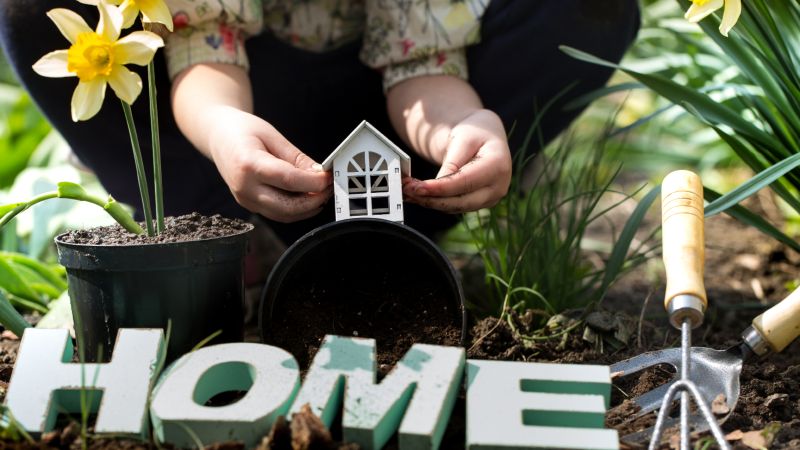
Designing an outdoor space is more than just planting flowers or adding decorative elements. A well-planned landscape should be both visually appealing and highly functional. Whether you have a small backyard or a large garden, the goal is to create a space that looks beautiful while also serving practical purposes such as relaxation, entertainment, and easy maintenance.
Understanding How to Design a Landscape That Combines Beauty and Function can help you transform any outdoor area into a balanced and enjoyable environment. This guide will walk you through the key principles, strategies, and ideas to achieve a landscape that is both attractive and useful.
Understanding the Balance Between Beauty and Function
The foundation of any successful landscape lies in balancing aesthetics with usability. A garden filled with beautiful plants may look impressive, but if it is difficult to maintain or does not serve your lifestyle, it will quickly lose its appeal.
To achieve this balance, consider how you plan to use your outdoor space. Do you want a peaceful retreat, a play area for children, or a place to entertain guests? Identifying your needs will help you design a layout that supports both beauty and function.
When learning How to Design a Landscape That Combines Beauty and Function, it is essential to think beyond appearance. Every element—plants, pathways, seating areas—should have a purpose while contributing to the overall visual harmony.
Planning Your Landscape Layout Effectively
A clear and well-structured layout is the backbone of a functional landscape. Before planting or building anything, create a plan that outlines where each feature will go.
Start by dividing your outdoor space into zones. For example:
- A seating or relaxation area
- A garden or planting zone
- A walkway or pathway
- A functional area like a kitchen or storage space
Zoning helps organize your landscape and ensures that each area serves a specific purpose. It also prevents overcrowding and makes the space easier to navigate.
Proper planning is a key step in How to Design a Landscape That Combines Beauty and Function, as it allows you to visualize the final result and avoid costly mistakes.
Choosing the Right Plants for Style and Practicality
Plants are one of the most important elements of landscape design. They provide color, texture, and life to your outdoor space. However, choosing the right plants involves more than just selecting what looks good.
Consider factors such as climate, soil type, sunlight, and maintenance requirements. Native plants are often a great choice because they are adapted to local conditions and require less care.
You should also think about the growth pattern of plants. Some plants spread quickly, while others grow tall or require regular trimming. Selecting a mix of plants with different heights, colors, and textures can create a visually interesting yet manageable landscape.
A thoughtful plant selection is essential when exploring How to Design a Landscape That Combines Beauty and Function, as it ensures long-term sustainability and ease of maintenance.
Creating Functional Outdoor Living Spaces
Modern landscapes often include outdoor living areas that extend the functionality of a home. These spaces can be designed for relaxation, dining, or entertainment.
Common outdoor features include:
- Patios or decks for seating
- Outdoor kitchens or barbecue areas
- Fire pits or fireplaces
- Pergolas or shaded structures
These elements make your landscape more usable and enjoyable. At the same time, they can be designed to complement the overall aesthetic of the garden.
When considering How to Design a Landscape That Combines Beauty and Function, integrating functional spaces ensures that your outdoor area is not only attractive but also practical for everyday use.
Incorporating Pathways and Accessibility
Pathways are an essential part of landscape design because they guide movement and connect different areas. A well-designed pathway improves accessibility and enhances the overall structure of your outdoor space.
Paths can be made from various materials such as stone, gravel, brick, or concrete. The choice of material should match the style of your landscape while also being durable and easy to maintain.
Curved pathways often create a more natural and inviting look, while straight paths offer a clean and modern appearance. Lighting along pathways can also improve safety and add visual appeal at night.
Understanding how to integrate pathways is a key aspect of How to Design a Landscape That Combines Beauty and Function, as it ensures both convenience and style.
Using Hardscape Elements for Structure and Style
Hardscape elements refer to the non-living features of a landscape, such as walls, patios, fences, and decorative structures. These elements provide structure and define different areas within your outdoor space.
For example:
- Retaining walls can prevent soil erosion while adding visual interest
- Fences provide privacy and security
- Stone features create texture and contrast
Hardscape elements should complement the natural features of your landscape rather than overpower them. A balanced combination of softscape (plants) and hardscape creates a cohesive and visually appealing design.
Including hardscape features is an important step in How to Design a Landscape That Combines Beauty and Function, as they add durability and long-term value.
Enhancing Your Landscape with Lighting
Outdoor lighting plays a significant role in both aesthetics and functionality. It allows you to use your outdoor space after sunset while also highlighting key features of your landscape.
Different types of lighting include:
- Ambient lighting for overall illumination
- Task lighting for specific areas like seating or cooking spaces
- Accent lighting to highlight plants, sculptures, or water features
Solar lights are an energy-efficient option that is easy to install and maintain. Proper lighting not only enhances beauty but also improves safety by illuminating pathways and entrances.
Lighting design is a crucial part of How to Design a Landscape That Combines Beauty and Function, as it extends the usability of your outdoor space.
Managing Water Features and Sustainability
Water features such as fountains, ponds, or waterfalls can add a sense of tranquility and elegance to your landscape. The sound of flowing water creates a relaxing atmosphere and enhances the overall aesthetic.
However, it is important to consider water usage and maintenance. Eco-friendly options such as recirculating systems or rainwater harvesting can help reduce environmental impact.
Sustainability should also be a priority in landscape design. Using drought-resistant plants, efficient irrigation systems, and natural materials can make your landscape more environmentally friendly.
Incorporating sustainable practices is an essential part of How to Design a Landscape That Combines Beauty and Function, ensuring long-term success and responsibility.
Maintaining Your Landscape for Long-Term Success
A beautiful landscape requires regular maintenance to keep it looking its best. This includes tasks such as watering, pruning, fertilizing, and cleaning.
Designing with maintenance in mind can make these tasks easier. For example, choosing low-maintenance plants, installing automatic irrigation systems, and using durable materials can reduce the time and effort required.
Consistency is key. Regular care ensures that your landscape remains healthy, functional, and visually appealing over time.
Maintenance planning is often overlooked, but it is a critical aspect of How to Design a Landscape That Combines Beauty and Function, as it preserves the value of your investment.
Conclusion: Bringing Beauty and Function Together
Designing a landscape that is both beautiful and functional requires careful planning, creativity, and attention to detail. By balancing aesthetics with practicality, you can create an outdoor space that enhances your lifestyle and adds value to your home.
From choosing the right plants and materials to incorporating lighting, pathways, and functional areas, every element plays a role in the overall design. Understanding How to Design a Landscape That Combines Beauty and Function allows you to create a space that is not only visually stunning but also easy to use and maintain.
With the right approach, any outdoor area can be transformed into a harmonious environment that offers comfort, beauty, and functionality for years to come.