
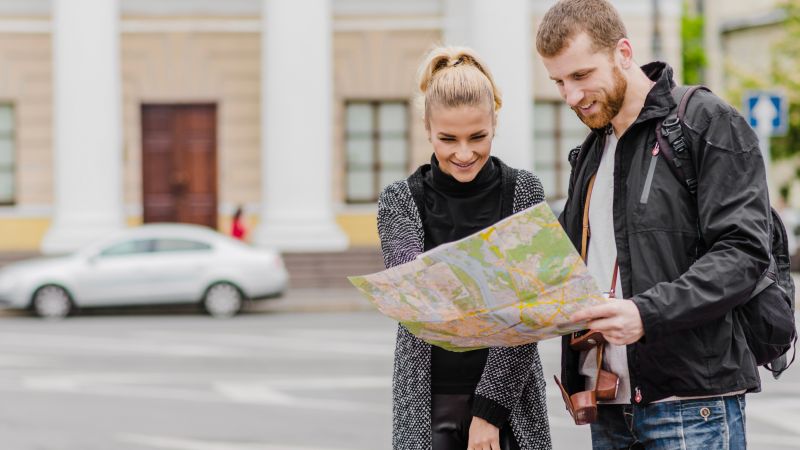
Travel planning has become much easier with digital maps and online travel resources. Instead of carrying a printed map or relying only on directions from other people, travelers can now explore destinations, understand routes, identify nearby attractions, and organize their journeys before leaving home. A useful map can make the difference between a confusing trip and a well-planned adventure.
For travelers looking for simple ways to understand destinations and plan routes, the map guide ttweakmaps from traveltweaks can be a helpful topic to explore. Digital map guides can provide a convenient way to look at destinations, consider possible routes, and organize important places before starting a journey.
What Is a Digital Travel Map Guide?
A digital travel map guide is an online resource designed to help travelers understand a destination geographically. Rather than simply showing roads, a travel map can help users identify important areas such as attractions, hotels, transportation points, restaurants, shopping districts, parks, airports, and other useful locations.
The main advantage of a digital map is convenience. Travelers can review an area before visiting it and develop a basic understanding of how different locations relate to each other. This can be particularly useful when visiting a city for the first time.
Maps can also help travelers divide a destination into smaller sections. Instead of trying to visit attractions randomly, visitors can group locations that are close together and create a more practical daily itinerary.
Why Maps Matter When Planning a Trip
Good travel planning involves more than choosing a destination. Travelers also need to understand distances, transportation options, neighborhoods, and the amount of time required to move from one place to another.
A map provides a visual overview that can make these details easier to understand. For example, two attractions may look close together when listed in a travel article, but a map may show that a river, highway, mountain, or restricted area separates them.
Using a map during the planning stage can therefore help travelers make more realistic schedules.
Another advantage is that maps allow users to identify nearby services. Finding a hotel close to major attractions, locating public transportation, or checking the distance between an airport and a city center can make a trip more organized.
Exploring Destinations Before Departure
One of the most useful features of online maps is the ability to explore a destination before traveling.
A traveler can examine major roads, surrounding neighborhoods, landmarks, and points of interest from home. This can provide a basic sense of the destination and help reduce uncertainty.
The map guide ttweakmaps from traveltweaks can be considered as part of this broader approach to destination planning. Rather than waiting until arrival to understand an unfamiliar location, travelers can use digital mapping resources to prepare in advance.
Pre-trip exploration is especially helpful for longer journeys. When a traveler has several destinations on the itinerary, studying each location beforehand can make the entire journey easier to organize.
Planning Routes More Efficiently
Route planning is another important part of using a travel map.
A journey may involve several stops, and visiting them in an inefficient order can result in unnecessary travel. A map allows travelers to consider the geographical relationship between different locations before deciding on an itinerary.
For example, if three attractions are located within the same neighborhood, it may make sense to visit them on the same day. If another attraction is located far away, it could be scheduled separately.
This approach does not require an extremely detailed itinerary. Even a simple understanding of where places are located can help travelers make better use of their available time.
Finding Attractions and Points of Interest
Travel maps can also make it easier to discover attractions that may otherwise be overlooked.
Popular landmarks are usually easy to find through travel websites, but smaller parks, local markets, viewpoints, museums, walking areas, and neighborhood attractions may require more research.
A map can provide a broader visual picture of what is available around a destination. Travelers can then decide which locations fit their interests and schedule.
When researching attractions, however, travelers should always check current information separately. Opening hours, admission policies, transportation arrangements, and temporary closures can change. A map should be treated as a planning tool rather than the only source of current information.
Understanding Neighborhoods
Knowing the character and location of different neighborhoods can be valuable when visiting a large city.
Some areas may be known for restaurants and nightlife, while others may be closer to museums, business districts, shopping areas, beaches, or historic landmarks. A map can help travelers see where these areas are positioned in relation to one another.
The map guide ttweakmaps from traveltweaks can be useful for travelers who prefer to develop a geographical understanding of a destination before creating their itinerary.
This approach can also help when choosing accommodation. Instead of selecting a hotel based only on price or photographs, travelers can examine its location and consider how convenient it may be for the activities they plan to do.
Using Maps for Transportation Planning
Transportation is an important consideration for almost every trip.
A traveler may need to use buses, trains, taxis, rental cars, walking routes, or other transportation methods. Understanding the location of transportation hubs can make planning much easier.
For example, knowing where a train station is located compared with a hotel can help travelers estimate how much time they need after arriving. Similarly, identifying an airport’s position relative to the city center can help with arrival and departure planning.
Digital maps can provide a starting point for this research, but transportation schedules and fares should be verified with official providers because they can change.
Creating a Simple Travel Itinerary
A useful map does not need to result in an extremely complicated travel schedule. In many cases, a simple itinerary is more practical.
Start by identifying the main attractions or activities you want to experience. Next, place them into geographical groups. Locations that are close together can be considered for the same day, while distant locations can be planned separately.
After creating these groups, consider transportation and opening hours. This can produce a flexible itinerary that provides structure without making the trip feel overly restrictive.
The goal should be to understand the destination rather than plan every minute.
Benefits for First-Time Travelers
First-time visitors often face the challenge of understanding an unfamiliar destination.
A digital map can provide an early introduction to the layout of the area. Travelers can become familiar with major roads, districts, attractions, and transportation points before they arrive.
The map guide ttweakmaps from traveltweaks fits into this type of preparation by focusing attention on the geographical side of travel planning.
This can be particularly useful for travelers visiting large cities. Understanding the basic layout before arrival may make it easier to recognize where different activities are located and how much travel may be involved.
Checking Map Information Before Traveling
Although online maps are convenient, travelers should avoid assuming that every piece of information is permanently accurate.
Businesses may move or close, roads can change, transportation routes may be updated, and attractions can modify their operating schedules. Construction projects can also affect routes.
For this reason, travelers should cross-check important information before departure. Official attraction websites, transportation authorities, hotels, and local tourism organizations can provide additional confirmation.
Maps work best as one part of a broader travel research process.
Making Travel Planning More Flexible
One of the biggest benefits of using maps is flexibility.
A traveler may discover that two planned activities are located close together and decide to combine them. Another traveler may realize that an attraction is farther away than expected and move it to another day.
This kind of adjustment becomes easier when the traveler has a visual understanding of the destination.
The map guide ttweakmaps from traveltweaks can therefore be viewed as a useful concept for travelers who want to combine destination research with practical route planning.
Tips for Getting More From a Travel Map
To make map-based planning more useful, consider the following simple tips:
Mark Important Locations
Keep a list of places you definitely want to visit. This can include attractions, accommodation, transportation stations, restaurants, and emergency services.
Group Nearby Places
Look for attractions located within the same general area. Grouping them together can reduce unnecessary movement.
Check Distances
Do not rely only on visual appearance. Use actual distances and estimated travel times when creating your itinerary.
Consider Transportation
A short distance may still take significant time if public transportation connections are limited. Consider the transportation method before finalizing plans.
Keep a Backup Plan
Weather, closures, delays, or unexpected changes can affect travel plans. Having alternative activities can make the journey less stressful.
Why Simple Mapping Can Improve the Travel Experience
Travel should be enjoyable, but poor planning can create unnecessary confusion. Travelers who understand their destination beforehand may find it easier to move between locations and make decisions during the trip.
A map does not replace local knowledge or official information. Instead, it gives travelers a foundation for organizing that information.
The map guide ttweakmaps from traveltweaks represents the type of travel resource that can help readers approach destination planning from a geographical perspective. By combining map information with reliable travel details, users can build itineraries that are both practical and flexible.
Frequently Asked Questions
What is the purpose of a travel map guide?
A travel map guide helps users understand the location of attractions, transportation points, neighborhoods, hotels, and other places that may be relevant during a trip.
Can a map help with itinerary planning?
Yes. Travelers can use maps to group nearby attractions, estimate distances, and organize activities according to location.
Should travelers rely only on digital maps?
No. Digital maps are useful planning tools, but important information such as opening hours, transportation schedules, road conditions, and temporary closures should be checked through current and reliable sources.
Are map guides useful for unfamiliar cities?
Yes. A map can provide a basic understanding of an unfamiliar city’s layout and help travelers become more comfortable with the destination before arrival.
How can travelers avoid overplanning?
Focus on major activities and nearby locations rather than scheduling every minute. Leave enough flexibility for unexpected changes and spontaneous discoveries.
Final Thoughts
Digital maps have become an important part of modern travel planning. They allow travelers to understand destinations visually, compare locations, organize routes, identify nearby attractions, and create more practical itineraries.
The map guide ttweakmaps from traveltweaks is a useful concept for anyone interested in combining destination research with map-based planning. Whether someone is preparing for a short city break or a longer journey, understanding where places are located can make the planning process clearer and more manageable.
The most effective approach is to use maps alongside reliable travel information. Check important details before departure, remain flexible when plans change, and use geographical information to build an itinerary that matches your time and interests. With thoughtful preparation, a simple map can become one of the most useful tools in the travel-planning process.